InsureTrackProve It!
The Next Generation of Insurance for Global Trade Disruption
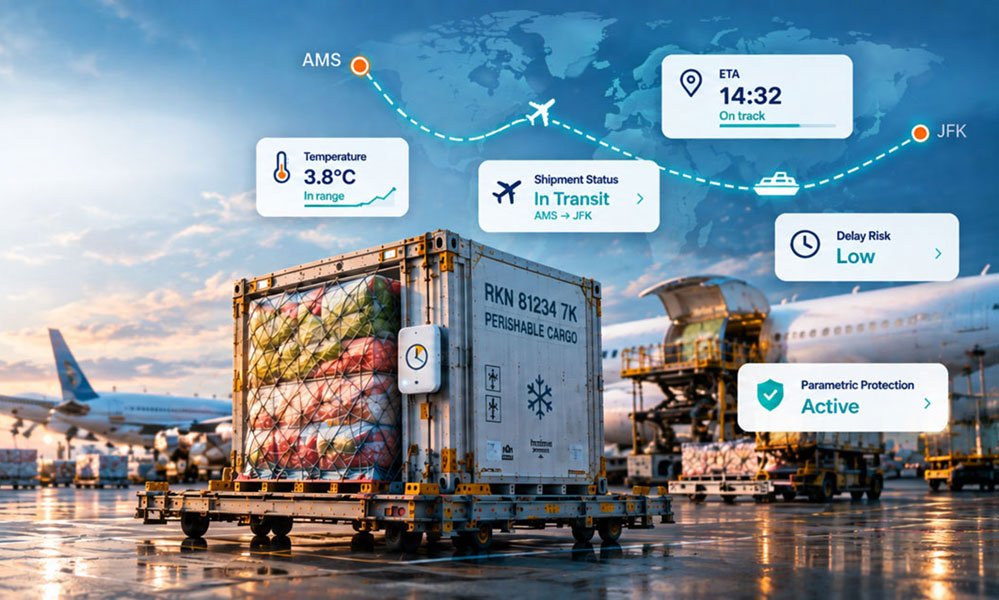
Your cargo can lose value long before anyone files a claim
A delayed aircraft. A temperature excursion. A missed connection. An unexpected route change.
For perishable and time-sensitive cargo, a few hours can be the difference between a successful delivery and a substantial financial loss.
And too often, businesses discover the problem only after the damage has already been done.
TRACinSURED changes that.
Real-Time Data
Continious shipment and condition monitoring
AI-Powered Intelligence
Detects risks, predicts disruptions, enables action
Parametric Protection
Predefined conditions trigger coverage
Your cargo insured from:

Spoilage
Fresh and temperature-sensitive products can lose quality and commercial value during transit.

Delays
Every hour matters when shelf life, production schedules and customer delivery windows are critical.

Temperature excursions
A shipment can move outside agreed temperature parameters without the people responsible knowing soon enough.

Rejected shipments
Cargo arriving outside contractual or product specifications may be discounted or rejected.

Lost revenue
A logistics disruption can quickly become a financial event.

Customer & SLA impact
A failed shipment can affect customer relationships far beyond the value of a single load.
Traditional cargo insurance
TRACinSURED brings together the technology and protection surrounding the shipment
How TRACinSURED Works
One shipment. Six connected steps.
Comprehensive Solutions
For Modern Cargo Shipment
Fresh Produce:

Seafood:
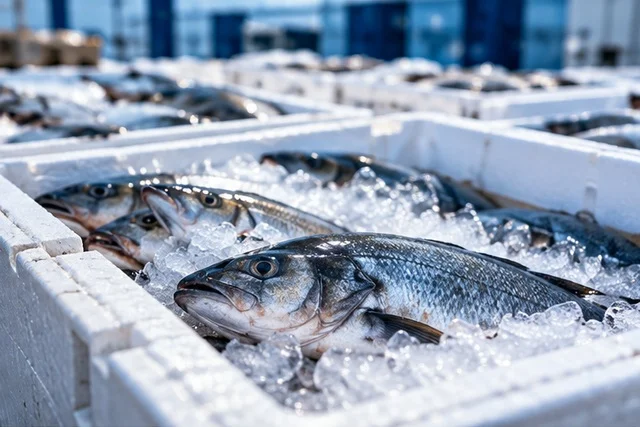
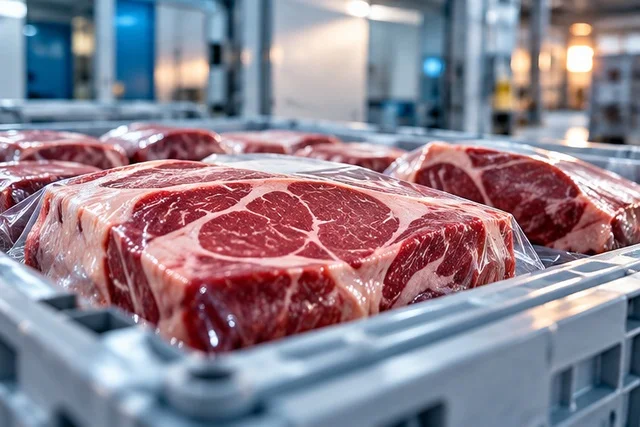
Meat & Poultry:
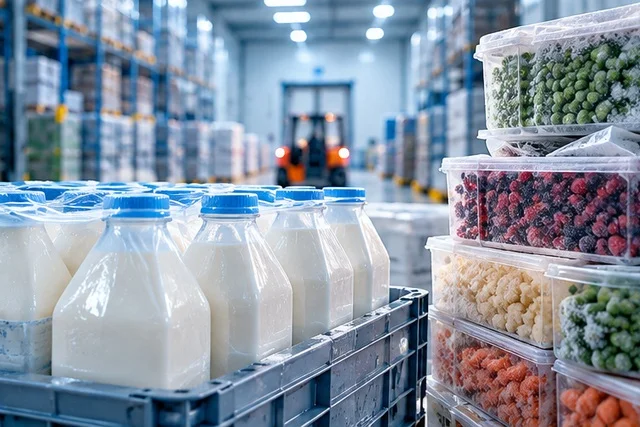
Dairy & Frozen Foods:
Flowers & Plants:

Pharmaceuticals:

The shipment moved in real time. Why shouldn’t the protection?
Traditional cargo insurance remains essential for many physical-loss and damage risks.
But some of the most expensive supply-chain disruptions — particularly delay, deterioration, temperature variation and consequential financial loss — may be restricted, excluded or difficult to establish depending on the policy.
When an event occurs, determining exactly what happened, where it happened and when it happened can also require significant documentation.
